
Scalp Micropigmentation for Women
Reviewed by the SMP Near Me editorial team · Last updated March 2026
A complete guide to how SMP restores the appearance of thicker, fuller hair for women dealing with thinning, widening parts, and female pattern hair loss — without surgery or daily maintenance.
Why Women Choose Scalp Micropigmentation
Female hair loss affects roughly 40 percent of women by the time they reach age 50, yet the vast majority of hair restoration marketing targets men. This leaves millions of women navigating thinning hair, widening parts, and visible scalp with fewer options and less information. Scalp micropigmentation offers women a non-surgical solution that creates the appearance of thicker, fuller hair by depositing tiny pigment dots across thinning areas of the scalp.
Unlike men who often use SMP to replicate a shaved head or defined hairline, women typically use SMP to add density behind existing hair. The pigment fills in the gaps between thinning strands, reducing the contrast between hair and scalp. The result is hair that appears noticeably thicker and fuller without any surgical recovery, scarring, or ongoing medication. For women who have tried topical treatments like minoxidil, PRP therapy, or volumizing products with limited results, SMP provides a lasting alternative that works regardless of the underlying cause of hair loss.
How SMP Works Differently for Women
The SMP technique for women differs from the male approach in several important ways. Women rarely shave their heads, so the practitioner works between and around existing hair strands to build density on the visible scalp. This requires a lighter touch, smaller needle configurations, and pigment shades that precisely match the client's natural hair color at the root level.
The most common treatment areas for women include the part line, the crown, the temples, and the overall top of the scalp where thinning is most visible. A skilled SMP artist will create a gradual density pattern that blends seamlessly with existing hair, avoiding any harsh lines or obvious pigment clusters. The pigment dots are placed at varying depths and densities to mimic the natural randomness of real hair follicles.
Most women complete SMP in two to three sessions, each lasting two to four hours depending on the treatment area. Sessions are spaced 7 to 14 days apart to allow the skin to heal and the pigment to settle. After the final session, results are fully visible within two to three weeks once any initial redness fades.
Expert Insight: Women with longer hair benefit from SMP the most because their existing hair drapes over the treated areas, creating a remarkably natural layered effect. The pigment eliminates the pale scalp showing through, which is what makes thinning hair so noticeable in the first place.
Common Types of Female Hair Loss SMP Can Treat
Female Pattern Hair Loss (Androgenetic Alopecia)
The most common type, affecting women primarily on the crown and top of the scalp. Hair thins gradually over years, widening the part line and reducing overall density. SMP fills in these areas to restore the appearance of a full, dense scalp.
Traction Alopecia
Caused by years of tight hairstyles like ponytails, braids, weaves, or extensions. Hair loss typically occurs along the hairline, temples, and edges. SMP can restore the appearance of a natural hairline and edge line, even in areas where follicles have been permanently damaged.
Postpartum and Hormonal Hair Loss
Many women experience significant shedding after pregnancy, during menopause, or due to thyroid conditions. While some of this hair loss is temporary, it can leave lasting thin areas. SMP can provide density coverage while women wait for regrowth, or serve as a permanent solution for areas that do not recover.
Alopecia Areata
SMP can camouflage patchy hair loss from alopecia areata by filling in bare spots with pigment that matches surrounding hair density. Results depend on the stability of the condition — women with stable patches that have not changed in 12 or more months are typically the best candidates.
Post-Surgical Scarring
Women who have had hair transplant surgery, scalp reductions, or other scalp procedures may have visible scars. SMP can camouflage these scars by depositing pigment within the scar tissue to blend it with surrounding hair.
What Women Should Know Before Getting SMP
Choosing an SMP artist with specific experience treating women is essential. The technique is meaningfully different from male SMP, and not every practitioner has the portfolio to prove they can do it well. When consulting with artists, ask to see healed results on female clients specifically — not just male buzz-cut simulations.
Color matching is more complex for women because female hair comes in a wider range of shades, highlights, and undertones. The pigment needs to match your root color, not the color at the tips of your hair. A good artist will custom-blend pigments during your consultation and may adjust the shade between sessions as the first round of pigment heals and settles into its true tone.
SMP does not damage existing hair or interfere with future hair growth. The needles used in SMP are far smaller than traditional tattoo needles and penetrate only the upper dermis layer of the skin. Women can continue using topical treatments like minoxidil or PRP alongside SMP without any conflict.
Pricing for female SMP typically ranges from $2,000 to $4,500, depending on the size of the treatment area and the number of sessions required. Density treatments covering the full top of the scalp tend to be on the higher end, while targeted work on the part line or temples may cost less.
Maintaining SMP Results as a Woman
SMP results for women are long-lasting but not permanent in the traditional sense. The pigment will gradually lighten over three to five years, at which point a single touch-up session can restore the original density and color. Between touch-ups, there is no daily maintenance required — the pigment stays in place through washing, styling, coloring, and heat treatment.
Sun protection is the most important factor in preserving your SMP results. UV exposure accelerates pigment fading, so applying SPF 30 or higher to exposed scalp areas before going outdoors will significantly extend the life of your treatment. Women who wear their hair in styles that expose the scalp — like updos, ponytails, or short cuts — should be especially mindful of sun protection.
Hair coloring and chemical treatments are safe after SMP, but wait at least 28 days after your final session before applying any chemicals to the treated area. After that healing window, you can color, highlight, or chemically treat your hair without affecting the SMP pigment underneath.
Frequently Asked Questions
Is SMP noticeable on women with long hair?
No. When done correctly, SMP on women is virtually undetectable. The pigment sits on the scalp beneath your existing hair, reducing the contrast between your hair and skin. People will notice your hair looks thicker and fuller, but they will not be able to identify SMP as the reason unless you tell them. The effect is similar to what a good root touch-up spray does, except SMP is permanent and does not wash out, transfer to clothing, or require daily application.
Does SMP hurt for women?
Most women describe SMP as mild discomfort rather than pain — similar to light scratching or a tingling sensation. The scalp is numbed with a topical anesthetic before each session, and most clients find the experience far more tolerable than they expected. Sensitivity varies by area, with the temples and front hairline being slightly more sensitive than the crown. Each session gets progressively easier as subsequent passes go over previously treated skin.
Can I still color or highlight my hair after SMP?
Yes. Wait at least 28 days after your final SMP session to allow full healing, then you can resume all hair coloring and chemical treatments. SMP pigment is deposited in the dermis layer of the skin, while hair color affects the hair shaft — they operate independently. Your SMP artist will match the pigment to your root color, so if you plan to significantly change your hair color after treatment, discuss this during your consultation so the pigment shade can be adjusted accordingly.
How long does SMP last for women?
SMP results typically last three to five years before a touch-up session is needed. The pigment gradually lightens over time due to natural skin cell turnover and UV exposure. A single touch-up session every few years restores the original appearance. Women who consistently protect their scalp from sun exposure and follow aftercare guidelines tend to see results on the longer end of that range.
Will SMP damage my existing hair?
No. SMP uses micro-needles that only penetrate the upper dermis layer of the skin, well above the hair follicle depth. The procedure does not interfere with hair growth, damage existing follicles, or prevent future growth. You can continue using hair growth treatments like minoxidil or PRP therapy alongside SMP without any issues.
What is the difference between SMP and a hair tattoo for women?
SMP and hair tattoo refer to the same procedure — scalp micropigmentation. The term hair tattoo is commonly used in casual conversation, but the technique is significantly different from a traditional body tattoo. SMP uses specialized equipment, smaller needles, and pigments formulated specifically for the scalp that are designed to retain their color without turning blue or green over time, which is a common issue with traditional tattoo ink used on the scalp.
Am I a good candidate for SMP if my hair is still thinning?
Yes. SMP works at any stage of hair thinning, and you do not need to wait until hair loss stabilizes. If your thinning progresses after SMP, additional density can be added in future sessions to match your current hair pattern. Many women get SMP during the early stages of thinning to restore confidence while their hair is still in transition, then adjust coverage over time as needed.
Find SMP for Women Near You
Connect with SMP artists experienced in treating female hair loss in your area.
Ready to See Your Hairline Again?
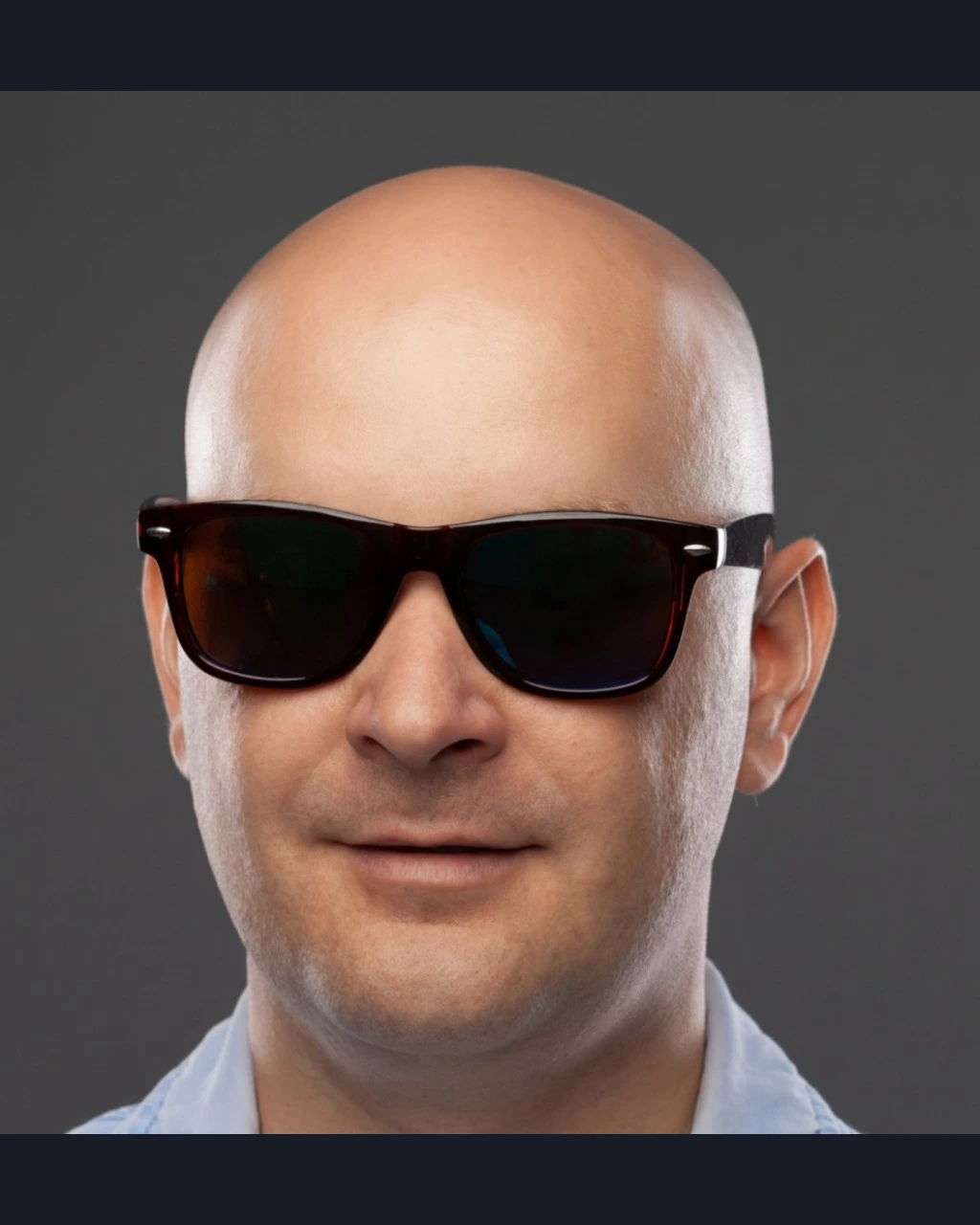
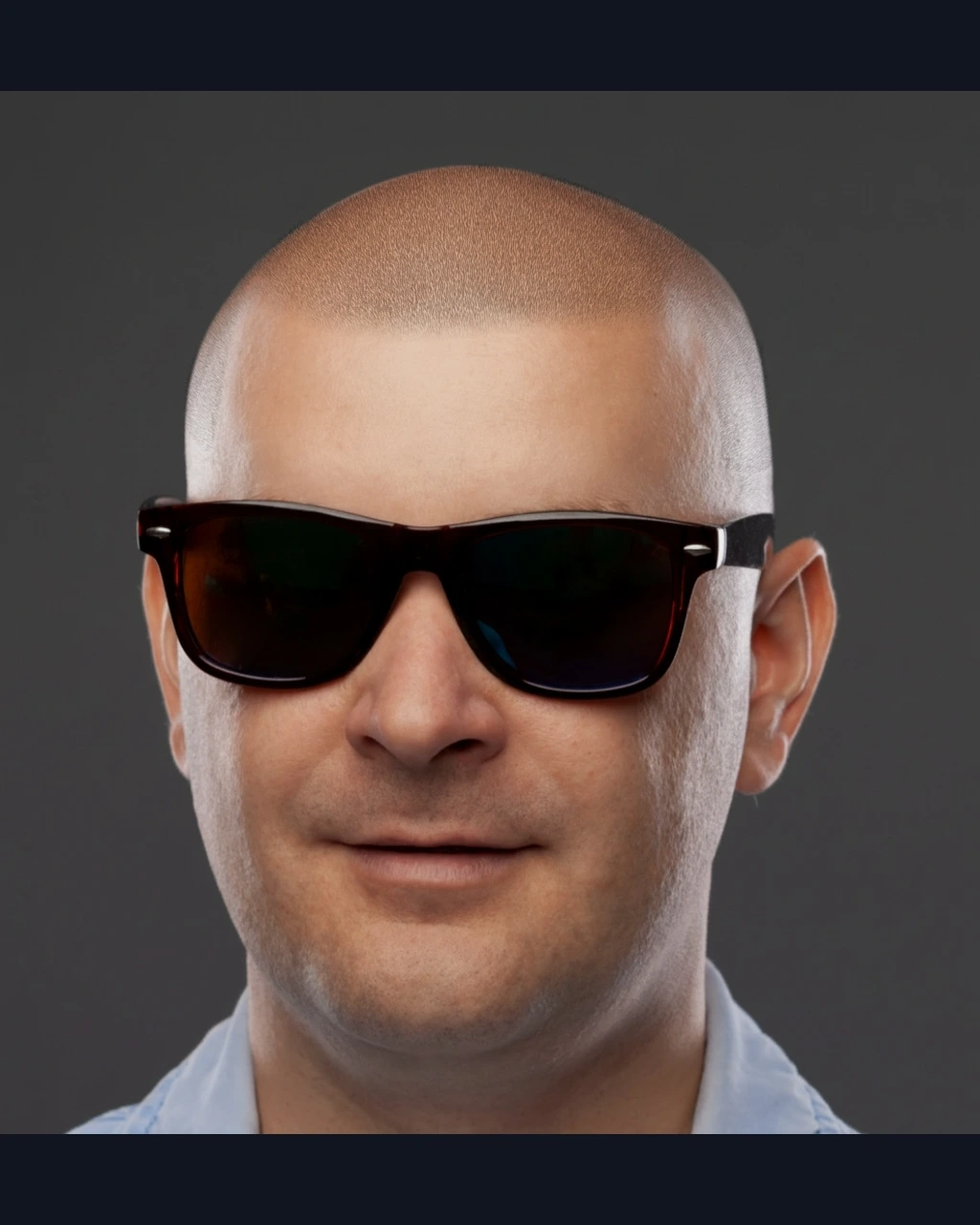
Drag the slider to see an actual SMP mockup transformation
👇🏼 Actual mockup created with the simulator, not a filter
SMP Simulator
Visualize Your Results Instantly
Start with a realistic SMP mockup to see your potential results. Then connect with trusted artists for your consultation.
Hairline Mockup Simulator
for 3 photorealistic mockups
Less than one tube of hair fiber powder
- ✓See your new hairline in 30 seconds
- ✓3 photorealistic HD mockups (save + download)
- ✓Drag-to-design hairline shaping tool
- ✓Built-in hair removal tool for a clean preview
- ✓Before & after sliders with shareable link
- ✓30-day access to the Mockup Studio
- ✓Free match with a vetted local SMP artist
No subscription. One-time payment.