
SMP for Alopecia
Reviewed by the SMP Near Me editorial team · Last updated March 2026
Restoring confidence through micropigmentation — how SMP helps people with alopecia areata, totalis, and universalis regain a natural-looking scalp appearance.
How SMP Helps People with Alopecia
Alopecia is an autoimmune condition that causes hair loss ranging from small patches to complete loss of all scalp and body hair. For the millions of people living with alopecia, the emotional and psychological impact often outweighs the physical symptom. Scalp micropigmentation offers a way to restore the appearance of hair on the scalp, regardless of the type or extent of alopecia, without surgery, medication, or ongoing chemical treatments.
SMP works for alopecia by depositing tiny pigment dots into the scalp that replicate the look of natural hair follicles. For people with patchy alopecia areata, SMP fills in the bare spots to blend them with surrounding hair. For those with more extensive alopecia totalis or universalis, SMP can create the appearance of a full close-cropped buzz cut across the entire scalp. The result is a natural-looking scalp that gives the appearance of a deliberate short hairstyle rather than hair loss.
What makes SMP particularly appealing for alopecia clients is that it works regardless of whether the hair loss is stable or active. Unlike hair transplant surgery — which requires healthy donor hair and stable loss patterns — SMP does not depend on existing follicles. It creates the visual appearance of hair using pigment alone.
SMP for Different Types of Alopecia
Alopecia Areata (Patchy)
The most common form, causing round or oval bald patches on the scalp. SMP is highly effective for camouflaging these patches by filling them with pigment dots that match the density and color of surrounding hair. For clients with remaining hair, the pigment is placed within and around the patches to create a seamless blend. Alopecia areata patches that have been stable for at least 6 to 12 months tend to produce the best, most predictable SMP results.
Alopecia Totalis (Full Scalp)
Complete loss of hair on the scalp. SMP creates the appearance of a full buzz-cut hairstyle across the entire head, including a natural-looking hairline. This is similar to the approach used for male pattern baldness, but with additional considerations for the hairline shape, density gradient, and skin tone matching across a fully bald scalp. The results can be remarkably realistic and life-changing for clients who have been living without any hair.
Alopecia Universalis (Full Body)
Complete loss of hair on the scalp and body. SMP addresses the scalp portion the same way as alopecia totalis. For clients who have also lost eyebrows, some practitioners offer cosmetic tattooing for the brows as a complementary procedure, though this uses a different technique than scalp SMP.
Ophiasis Alopecia
A form of alopecia areata that causes hair loss in a band around the sides and back of the head. SMP can fill in this band pattern to blend with remaining hair on top, creating a uniform appearance. This pattern requires an artist experienced with blending across different zones of the scalp where hair density and growth direction change.
Expert Insight: Alopecia clients should have an open conversation with their SMP artist about the activity level of their condition. If new patches are appearing frequently, SMP can still be done — but both the client and artist need to understand that additional sessions may be needed in the future to address new patches as they develop.
Important Considerations for Alopecia Clients
Stability of the condition. SMP produces the most predictable results when applied to areas that have been stable for at least six months. If your alopecia is actively progressing — new patches appearing or existing patches expanding — SMP can still be performed, but you should understand that future sessions may be needed to address new areas of loss. Many alopecia clients plan for SMP as an ongoing relationship with their artist rather than a one-time treatment, especially if their condition is unpredictable.
Skin sensitivity. Some alopecia clients have more sensitive skin in the affected areas, which can affect both comfort during treatment and pigment retention. A skilled practitioner will perform a small test area during your first session to evaluate how your skin responds before treating larger areas. This is standard practice for alopecia clients and helps calibrate the technique for your specific skin.
Hairline design for full coverage. If you are getting SMP across your entire scalp — whether for alopecia totalis or extensive areata — the hairline design is the most important part of the treatment. A natural hairline is not a straight line. It has soft irregularities, varying density, and a gradual transition from bare skin to full density. Work closely with your artist to design a hairline that matches your facial structure, age, and preferences. Ask to see their full-coverage alopecia portfolio specifically, as this requires a different design eye than filling in a receding hairline.
Emotional impact. Many alopecia clients report that SMP is more than a cosmetic procedure — it fundamentally changes how they feel about their appearance and how they interact with the world. The consultation process should feel supportive and pressure-free. A good SMP artist will take time to understand your specific goals, whether that is camouflaging a few patches or creating a completely new look with full scalp coverage.
What to Expect — Sessions, Healing, and Results
Sessions: Most alopecia SMP treatments require two to four sessions depending on the extent of coverage. Patchy alopecia with a few small spots may only need two sessions. Full scalp coverage for alopecia totalis typically requires three to four sessions to build proper density and refine the hairline. Sessions are spaced 7 to 14 days apart.
Healing: The healing process is the same as standard SMP. Expect mild redness for one to three days after each session, followed by light flaking as the skin heals. The treated areas will appear slightly darker immediately after treatment and soften by 20 to 30 percent over the following two weeks. Full results are visible approximately 30 days after your final session.
Results: On patchy alopecia, SMP blends the bare spots into surrounding hair so effectively that most people cannot tell where the patches were. On full scalp coverage, the result is a natural-looking buzz-cut appearance that restores a complete, symmetrical look. Results last three to five years before a touch-up is needed, with sun protection being the most important factor in longevity.
Pricing: SMP for alopecia typically ranges from $1,500 to $4,500 depending on the extent of treatment. Small patch coverage runs on the lower end, while full scalp treatment for alopecia totalis is on the higher end. Most practitioners offer free consultations to assess your specific needs and provide an accurate quote.
Find an alopecia SMP specialist near you → · Read the SMP aftercare guide →
Finding an SMP Artist Experienced with Alopecia
Not all SMP practitioners have extensive experience with alopecia. The technique requires specific knowledge of how alopecia affects the scalp and how to work with skin that may behave differently in affected areas. When searching for a provider, ask these specific questions:
How many alopecia clients have they treated? Look for an artist who has treated at least 20 to 30 alopecia cases, not just one or two. The learning curve for alopecia SMP is real, and experience matters for predicting how the skin will respond.
Can they show you healed results on alopecia clients? Healed results — at least three to six months post-treatment — are the only way to judge the quality of alopecia SMP. Fresh results always look good. Ask to see healed photos specifically, ideally on clients with a similar type of alopecia to yours.
Do they have experience with your specific type? An artist who excels at patchy areata camouflage may have limited experience with full totalis coverage, and vice versa. Match your provider to your specific needs.
Are they comfortable working with active alopecia? If your condition is still changing, you need a practitioner who understands how to plan treatment around an unpredictable pattern and who communicates clearly about what future sessions might look like.
Frequently Asked Questions
Does SMP work if my alopecia is still active?
Yes. SMP can be performed on active alopecia, meaning new patches may still be developing. The pigment applied to current patches will remain regardless of future hair loss activity. However, if new patches appear after treatment, you will need additional sessions to cover those areas. Many alopecia clients treat SMP as an ongoing solution, addressing new patches as they develop rather than waiting for their condition to stabilize — which may never happen. Discuss your condition's history and activity level with your SMP artist during the consultation so they can set appropriate expectations.
Will SMP look natural on completely bald patches?
Yes. SMP is specifically designed to replicate the look of hair follicles on bare skin. On bald patches from alopecia areata, the pigment dots blend into surrounding hair to create a seamless transition. On fully bald scalps from alopecia totalis, SMP creates a natural buzz-cut appearance. The key to natural results is the artist's skill in matching pigment shade, dot size, and density to either surrounding hair or the client's natural coloring.
Is SMP safe for people with autoimmune conditions?
SMP is generally considered safe for people with alopecia and other autoimmune conditions. The procedure is minimally invasive, does not involve systemic medications, and does not trigger or worsen autoimmune responses. The pigment stays localized in the dermis layer of the skin. That said, if you are on immunosuppressive medication, inform your SMP artist during the consultation as this can affect healing time and pigment retention. A reputable practitioner will also recommend that you clear the procedure with your dermatologist if you have any concerns.
How does SMP look if my hair grows back in a treated area?
If hair regrows in an area that has been treated with SMP, the pigment dots blend in with the new growth and become less visible. This is actually a positive outcome — the SMP served its purpose while the area was bare, and the returning hair naturally takes over. If the hair grows back fully, the pigment underneath is not noticeable. If the hair grows back only partially, the SMP fills in the remaining gaps. You do not need to do anything special if regrowth occurs.
Can SMP be done on alopecia patches on the beard or eyebrows?
Scalp micropigmentation is specifically designed for the scalp. Beard and eyebrow micropigmentation are related but different procedures that use different techniques, needle configurations, and pigments. Many SMP practitioners also offer eyebrow micropigmentation, but it is a separate service. If you need both scalp and eyebrow work, look for a provider experienced in both or ask for a referral to an eyebrow specialist.
What if my skin reacts differently in alopecia-affected areas?
Alopecia-affected skin can sometimes respond differently to pigment than healthy scalp — it may retain pigment less effectively or heal differently. This is why experienced alopecia SMP artists typically perform a small test area during your first session to evaluate how your skin responds before treating larger areas. Based on the test area results, the artist calibrates needle depth, pigment concentration, and session planning for your specific skin. This cautious approach produces significantly better outcomes than applying a standard technique across all areas.
How much does SMP for alopecia cost?
SMP for alopecia typically ranges from $1,500 to $4,500 depending on the extent of coverage needed. Small patch treatments covering one to three spots may cost $1,500 to $2,000 and require two sessions. Moderate coverage for multiple patches or larger areas typically runs $2,500 to $3,500 across three sessions. Full scalp coverage for alopecia totalis is at the higher end, $3,500 to $4,500, requiring three to four sessions. Most reputable SMP artists offer free consultations where they assess your specific case and provide an accurate quote.
Find Alopecia SMP Specialists Near You
Connect with SMP artists experienced in treating all types of alopecia.
Ready to See Your Hairline Again?
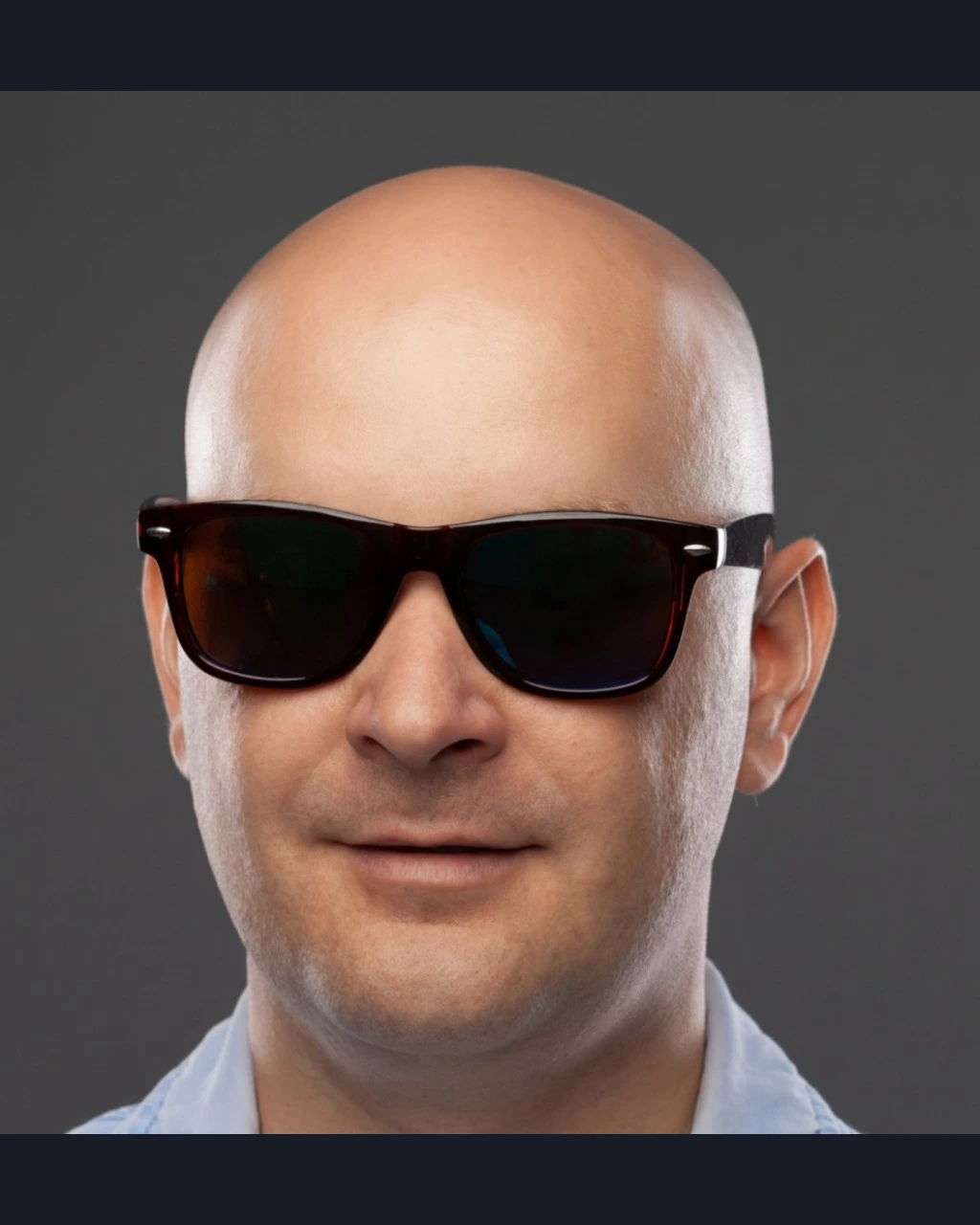
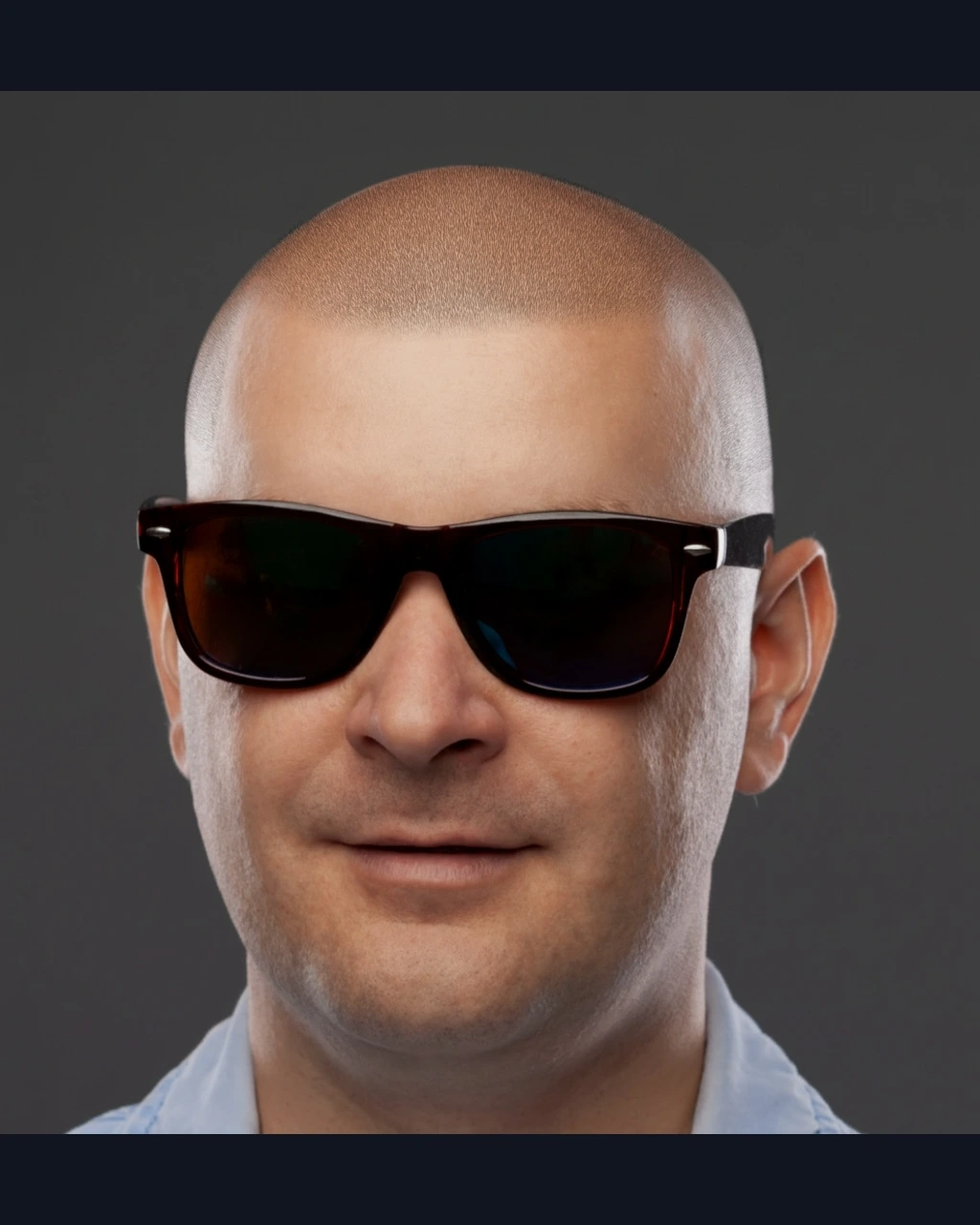
Drag the slider to see an actual SMP mockup transformation
👇🏼 Actual mockup created with the simulator, not a filter
SMP Simulator
Visualize Your Results Instantly
Start with a realistic SMP mockup to see your potential results. Then connect with trusted artists for your consultation.
Hairline Mockup Simulator
for 3 photorealistic mockups
Less than one tube of hair fiber powder
- ✓See your new hairline in 30 seconds
- ✓3 photorealistic HD mockups (save + download)
- ✓Drag-to-design hairline shaping tool
- ✓Built-in hair removal tool for a clean preview
- ✓Before & after sliders with shareable link
- ✓30-day access to the Mockup Studio
- ✓Free match with a vetted local SMP artist
No subscription. One-time payment.