
SMP Scar Camouflage
Reviewed by the SMP Near Me editorial team · Last updated March 2026
Concealing scalp scars from hair transplants, surgery, accidents, and burns with scalp micropigmentation — how it works, what to expect, and how to find a specialist.
How SMP Conceals Scalp Scars
Scalp scars from hair transplant surgery, accidents, burns, or medical procedures can be a persistent source of self-consciousness — especially when they prevent you from wearing your hair short. Scalp micropigmentation scar camouflage works by depositing pigment dots directly into and around scar tissue, breaking up the visible contrast between the pale scar and surrounding skin. The result is a scar that blends into the scalp and becomes far less noticeable, even at close range.
SMP scar camouflage is not the same as covering a scar with a standard tattoo. Scar tissue behaves differently than normal skin — it absorbs pigment unevenly, heals unpredictably, and has a different texture. An experienced SMP scar specialist uses adapted techniques including adjusted needle depth, modified pigment concentration, and strategic dot placement to account for these differences. The goal is not to make the scar invisible, but to reduce its visibility by 60 to 80 percent so it no longer draws attention.
Types of Scars SMP Can Treat
FUT Strip Scars (Linear Scars)
The most common reason people seek SMP scar camouflage. Follicular Unit Transplantation leaves a horizontal linear scar across the back of the scalp where the donor strip was removed. These scars can range from thin and barely visible to wide and raised, depending on the surgeon's technique and individual healing. SMP fills the scar with pigment dots that replicate the appearance of hair follicles, significantly reducing the scar's visibility — even when wearing hair very short.
FUE Dot Scars
Follicular Unit Extraction leaves small circular scars scattered across the donor area where individual grafts were harvested. While each individual scar is small, a large number of them can create a visible moth-eaten appearance in the donor zone. SMP fills in these dots with pigment to blend the donor area back into a uniform appearance.
Surgical and Medical Scars
Scars from scalp reductions, cranial surgery, tumor removal, or accident trauma can all be treated with SMP. The success of treatment depends on the scar's age, texture, and color. Scars that are fully healed, flat or nearly flat, and lighter than surrounding skin respond best to SMP camouflage.
Burn Scars
Burn scars on the scalp present a unique challenge due to their irregular texture and varying depth. SMP can improve the appearance of burn scars, but results are more variable than with surgical scars. A consultation with a specialist experienced in burn scar camouflage is essential before proceeding.
Expert Insight: Scars need to be fully matured before SMP treatment — typically at least 12 months old for surgical scars and 18 or more months for burn scars. Treating a scar too early, before it has finished remodeling, can lead to unpredictable pigment retention and color shifts.
What Makes Scar SMP Different from Standard SMP
Scar tissue lacks the normal blood supply, collagen structure, and pigment-holding capacity of healthy skin. This means the practitioner cannot simply apply the same technique used on normal scalp and expect good results. Key differences in scar SMP include:
The needle depth must be carefully adjusted. Going too shallow on scar tissue causes the pigment to sit on the surface and fade rapidly. Going too deep can cause the pigment to spread or blur-sm beneath the skin. An experienced scar specialist reads the tissue in real time and adjusts depth on a pass-by-pass basis.
Pigment retention in scar tissue is lower than in normal skin. Most scar camouflage treatments require three to four sessions rather than the standard two to three, because each session builds density gradually. Trying to deposit too much pigment in a single session risks oversaturation, which can cause the pigment to clump or turn gray.
Color matching on scars is more complex because scar tissue reflects light differently than normal skin. A pigment shade that matches perfectly on healthy scalp may appear slightly different when deposited into scar tissue. Skilled practitioners compensate for this by custom-blending pigment specifically for the scar area, sometimes using a slightly different shade than what they use on the surrounding scalp.
The texture of the scar itself does not change. SMP adds color to the scar, but it does not flatten raised scars or fill in depressed scars. If a scar is significantly raised or indented, some practitioners recommend scar revision procedures or micro-needling before SMP to improve the surface texture first, then applying pigment once the texture has improved.
Results and Expectations for Scar Camouflage
Setting realistic expectations is critical for scar SMP. The goal is significant improvement, not perfection. Most clients see a 60 to 80 percent reduction in scar visibility after completing all sessions. The scar will still be detectable under very close inspection or harsh direct lighting, but in normal conditions — conversational distance, natural lighting, and everyday situations — it becomes far less noticeable.
FUT strip scars and FUE dot scars typically achieve the best results because they tend to be flat and uniformly colored. Wide strip scars may require more sessions to build sufficient density across the full width. Very narrow strip scars can often be camouflaged to the point of near-invisibility.
After completing treatment, the camouflaged scar requires the same maintenance as standard SMP — sun protection, no picking or scratching during healing, and a touch-up session every three to five years as the pigment gradually lightens. Touch-ups on scar tissue are quicker than the initial treatment because the foundation of pigment is already in place.
Pricing for SMP scar camouflage typically ranges from $800 to $2,500, depending on the scar size, location, and number of sessions required. Small FUE dot coverage may only need one to two sessions, while a full FUT strip scar may require three to four.
Learn about the SMP healing process → · See how SMP could transform your scar →
Choosing a Scar Camouflage Specialist
Not every SMP artist is skilled in scar work. When searching for a practitioner, specifically ask about their experience with scar camouflage — how many scar treatments they have performed, and whether they can show you healed results on scars similar to yours. A general SMP portfolio full of hairline and density work does not necessarily mean the artist is proficient in scar treatment.
Look for before-and-after photos that show the scar in similar lighting conditions so you can accurately assess the improvement. Photos taken in harsh overhead lighting after treatment may still show the scar, while the same scar would be invisible in natural light. A trustworthy artist will show you realistic results, not just their best-case photos.
If you have a particularly challenging scar — very wide, heavily textured, or across an area with no remaining hair — consider seeking out an artist who specializes primarily in scar camouflage rather than a generalist who does it occasionally. The technique difference is significant enough that specialization matters.
Frequently Asked Questions
Can SMP completely hide a hair transplant scar?
SMP significantly reduces scar visibility but does not make it completely invisible. Most clients see a 60 to 80 percent improvement, meaning the scar becomes very difficult to notice at conversational distance and in normal lighting. Under very close inspection or harsh direct light, a faint trace may still be visible. The goal is to make the scar a non-issue in daily life, and the vast majority of clients report that people no longer notice their scar after SMP treatment.
How many sessions does scar camouflage take?
Most scar camouflage treatments require three to four sessions, spaced 7 to 14 days apart. Scar tissue holds pigment differently than normal skin, so building density gradually across multiple sessions produces better and more stable results than trying to achieve full coverage in one or two sessions. Small scars or FUE dot coverage may need fewer sessions, while large FUT strip scars may need the full four.
Does SMP on scar tissue hurt more than on normal scalp?
It varies. Some scar tissue has reduced nerve sensitivity and feels less than normal scalp. Other scars, particularly newer ones, may be slightly more sensitive. Most practitioners apply topical numbing cream before treatment, which minimizes discomfort regardless of the tissue type. The majority of clients report that scar SMP is very tolerable.
How long do I need to wait after surgery before getting SMP on a scar?
Wait at least 12 months after the surgery that created the scar. This allows the scar tissue to fully mature and stabilize. Treating a scar too early can result in poor pigment retention and unpredictable healing because the tissue is still remodeling underneath. For burn scars, wait at least 18 months. Your SMP artist will assess the scar during consultation and confirm whether it is ready for treatment.
Will SMP change the texture of my scar?
No. SMP adds color to the scar tissue but does not change its physical texture. If your scar is raised, indented, or has an uneven surface, SMP will improve the color contrast but the texture will remain the same. Some practitioners recommend micro-needling or scar revision procedures to improve texture before applying SMP pigment, which can enhance the overall result.
Can SMP be done on a scar if I still have hair around it?
Yes, and this is actually the most common scenario. Most scar camouflage clients have hair surrounding the scar — the scar is the only bald area. The SMP artist works within the scar boundaries and blends the pigment outward into the surrounding hair-bearing skin to create a seamless transition. This blending work is what makes a well-done scar camouflage look natural.
What if my scar is from something other than a hair transplant?
SMP scar camouflage is not limited to hair transplant scars. It can be used on scars from any scalp surgery, accidents, burns, or medical procedures. The treatment approach is the same — depositing pigment into the scar tissue to reduce the color contrast with surrounding skin. The key factor is that the scar is fully healed and stable before treatment begins.
Find Scar Camouflage Specialists Near You
Connect with SMP artists experienced in scar camouflage in your area.
Ready to See Your Hairline Again?
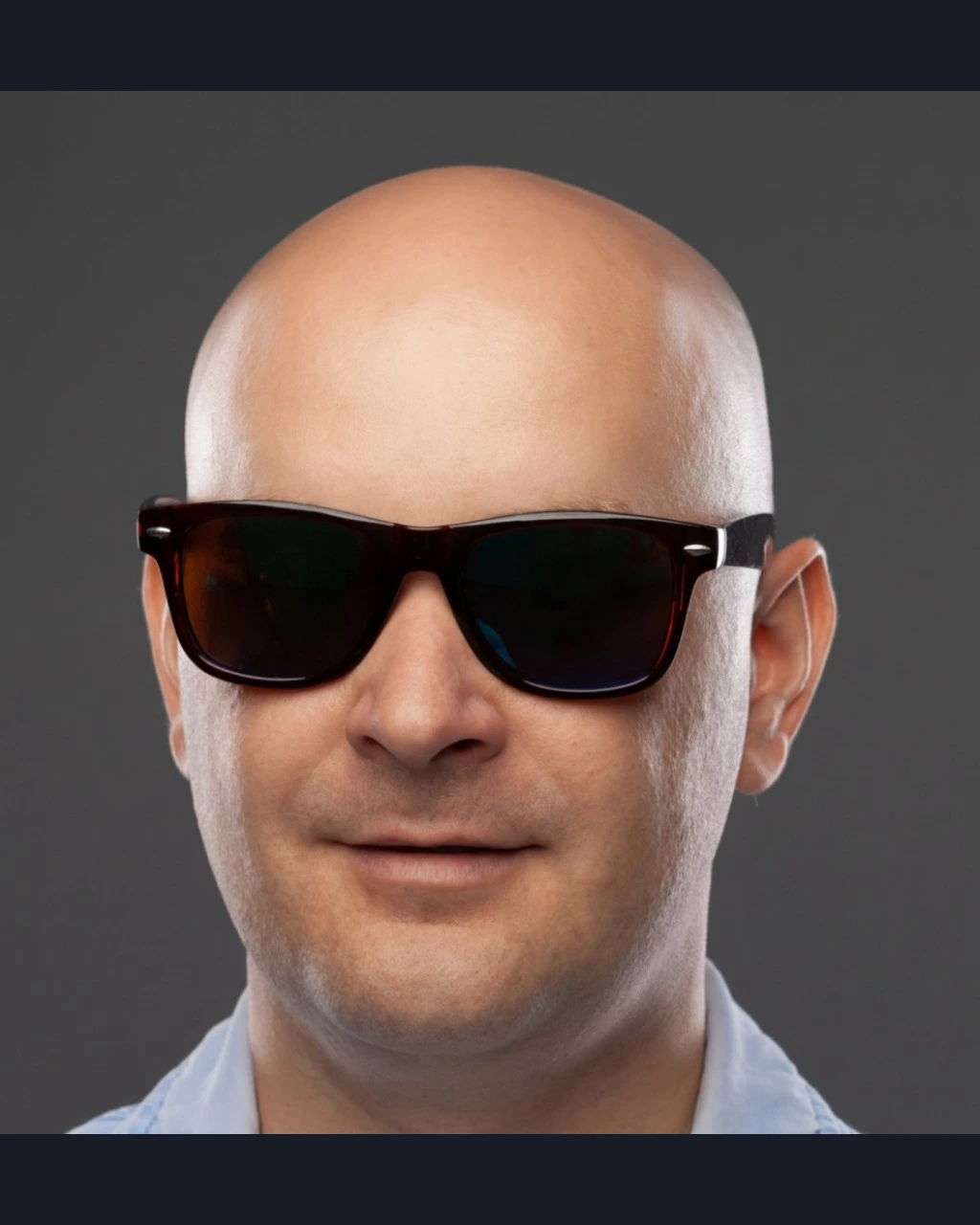
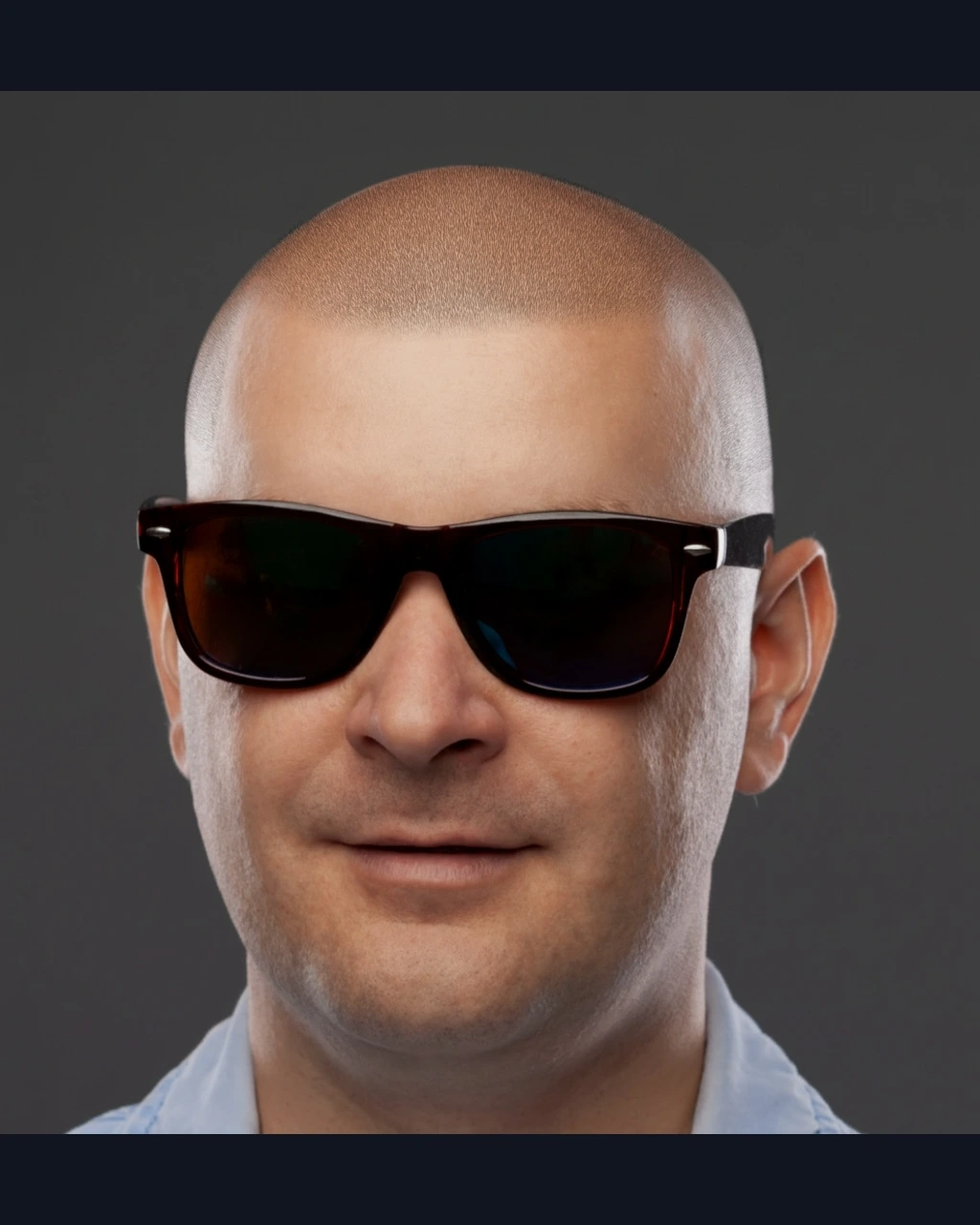
Drag the slider to see an actual SMP mockup transformation
👇🏼 Actual mockup created with the simulator, not a filter
SMP Simulator
Visualize Your Results Instantly
Start with a realistic SMP mockup to see your potential results. Then connect with trusted artists for your consultation.
Hairline Mockup Simulator
for 3 photorealistic mockups
Less than one tube of hair fiber powder
- ✓See your new hairline in 30 seconds
- ✓3 photorealistic HD mockups (save + download)
- ✓Drag-to-design hairline shaping tool
- ✓Built-in hair removal tool for a clean preview
- ✓Before & after sliders with shareable link
- ✓30-day access to the Mockup Studio
- ✓Free match with a vetted local SMP artist
No subscription. One-time payment.