
SMP Hairline Design
Your hairline is the most visible part of any scalp micropigmentation treatment. Getting the design right means understanding natural hairline anatomy, age-appropriate positioning, and the styles that work best for your face shape.
Hairline Design Principles
A natural hairline isn't a straight line. It's an irregular, slightly uneven border that transitions gradually from bare forehead skin to dense hair. Understanding this is the foundation of good SMP hairline design.
The best SMP hairlines follow three core principles:
- Irregularity — Natural hairlines have micro-irregularities. No two points along the hairline are at exactly the same height. SMP artists replicate this by avoiding perfectly symmetrical lines.
- Gradual transition — The hairline should transition from sparse, scattered dots at the very front to progressively denser coverage further back. This "soft edge" is what makes the hairline look real.
- Facial harmony — The hairline should complement your facial proportions. The distance from eyebrows to hairline, the width of the forehead, and the shape of the temples all influence the ideal design.
These principles apply whether you're restoring a receding hairline or creating a completely new one on a shaved scalp.
Natural vs Sharp Hairlines
One of the most important decisions in SMP hairline design is how defined the edge should be. This falls on a spectrum from very soft and natural to sharp and defined.
Natural (soft) hairlines feature a feathered, gradual edge. The transition zone—where dots go from sparse to dense—spans 5–10mm. This mimics how real hair grows and is the safer choice for most clients. It ages well, looks convincing from every angle, and is harder to detect as SMP.
Sharp (defined) hairlines have a crisp, clean edge with minimal transition. This look is popular among younger clients and is associated with certain barbershop styles. While it can look striking, it carries risks: if the line isn't perfectly executed, any irregularity is immediately obvious. Sharp hairlines also tend to look less natural as the client ages.
Most experienced artists recommend a soft, natural hairline for the majority of clients. It's more forgiving, more versatile, and tends to produce higher satisfaction rates long-term.
Age-Appropriate Hairlines
One of the most common mistakes in SMP is designing a hairline that's too low or too youthful for the client's age. A 50-year-old with a teenager's hairline looks unnatural—even if the SMP itself is technically perfect.
Here's a general guide to age-appropriate hairline positioning:
- 20s–30s — A slightly mature hairline with minimal temple recession is appropriate. This looks youthful without appearing artificial. The hairline sits approximately 6–8cm above the eyebrows.
- 40s–50s — A mature hairline with natural temple recession (Norwood 2–3 equivalent) looks most authentic. Attempting to restore a juvenile hairline at this age is the single most common source of client regret.
- 60s+ — A conservative, naturally receded hairline with softer density creates the most convincing result. The goal is to look like someone with naturally good hair for their age—not to reverse 40 years of ageing.
A good SMP artist will guide you toward an age-appropriate design, even if your initial instinct is to go lower and sharper. Trust their experience—the results will look better in both the short and long term.
Hairline Styles Explained
Straight Hairline
A straight hairline runs relatively flat across the forehead with minimal curves. It's common in younger men and certain ethnic backgrounds. In SMP, a perfectly straight line looks artificial—so even "straight" designs include subtle micro-irregularities.
Rounded Hairline
A rounded-sm or curved hairline follows the natural contour of the skull and is the most common natural shape. It curves slightly at the temples and creates a gentle arc across the forehead. This is the most popular SMP hairline style because it suits the widest range of face shapes.
M-Shaped Hairline
The M-shaped (or "widow's peak") hairline features a slight dip in the centre of the forehead with more recession at the temples. This is a mature, masculine hairline that looks natural on men in their 30s and beyond. It's one of the easiest styles to make look authentic because it acknowledges natural ageing.
Irregular / Broken Hairline
An intentionally irregular hairline incorporates natural-looking breaks and variations in height. This style is the hardest to execute well but produces the most realistic results. It requires an artist with strong aesthetic judgement and experience creating organic, non-uniform patterns.
Consultation and Customization Process
The hairline design consultation is arguably the most important part of the entire SMP process. A reputable artist will spend significant time designing your hairline before any pigment touches your scalp.
Here's what to expect during the design phase:
- Facial assessment — The artist evaluates your face shape, existing hair pattern, skin tone, and bone structure
- Reference discussion — You'll discuss photos, preferences, and what you hope to achieve
- Pencil outline — The artist draws the proposed hairline directly on your scalp with a removable cosmetic pencil
- Multi-angle review — You view the drawn hairline from the front, sides, and at different distances
- Adjustments — The outline is refined based on your feedback until both you and the artist are satisfied
Want to preview different hairline positions before your consultation? Our SMP simulator lets you upload your photo and experiment with different looks. It's a useful starting point for the conversation with your artist.
You can also explore hairline restoration options and view real SMP before and after results to see what's achievable.
Common Hairline Design Mistakes to Avoid
Understanding common mistakes helps you evaluate artist portfolios and make better decisions during your own consultation:
- Going too low — The most frequent error. A hairline that's even 5mm too low can look unnatural and is difficult to correct. When in doubt, go slightly higher—you can always add density lower in a follow-up session.
- Too symmetrical — Perfect symmetry looks artificial. Natural hairlines have subtle asymmetry between the left and right sides. Your artist should intentionally include minor variations.
- No transition zone — A hairline that jumps from zero dots to full density creates an obvious "line" that's a telltale sign of SMP. A proper transition zone of gradual density increase is essential.
- Ignoring temple points — The temporal points (where the hairline meets the sideburns) are often overlooked. Natural-looking temporal recession is important for the hairline to look authentic from the side profile.
- Not considering future hair loss — If you still have hair behind the SMP hairline, future thinning could create an obvious gap. Your artist should plan for potential future recession.
Choosing a specialist hairline tattoo artist with a strong portfolio of natural-looking hairlines is the best way to avoid these pitfalls. Review SMP pricing to understand what quality work costs—bargain SMP often results in the mistakes described above.
"Most experienced SMP practitioners intentionally design hairlines slightly more conservative than the client initially requests, because aggressive hairlines tend to look unnatural within 5–10 years."
Looking for specialists? See our guides for SMP in Miami, SMP in Los Angeles, or SMP in New York.
Frequently Asked Questions
How do I choose the right hairline style for SMP?
The right hairline style depends on your age, face shape, ethnicity, and how much hair loss you have. A skilled SMP artist will assess your facial proportions and discuss options during consultation. Most clients benefit from a slightly mature, natural-looking hairline rather than an aggressive, straight-across design. Your artist should show you multiple options before any pigment is applied.
Can SMP create a completely natural-looking hairline?
Yes, when performed by an experienced artist. The key is building the hairline with irregularity—using varying dot sizes, staggered placement, and soft edges that mimic how natural hair grows. The most convincing SMP hairlines are slightly imperfect, just like real hairlines. Close-up inspection should reveal individual dot impressions that look like real follicle openings.
What is a soft hairline vs a hard hairline in SMP?
A soft hairline has a gradual, feathered edge where density increases gradually from the front. It looks more natural and is suitable for most clients. A hard hairline has a defined, sharp edge with high density right at the front. While some younger clients prefer this look, it carries a higher risk of looking unnatural—especially as the client ages.
Can an SMP hairline be corrected if I don't like the shape?
Yes, but it's much easier to add to a hairline than to remove or reshape it. If the hairline is too low or too sharp, laser removal may be needed to adjust the shape before re-treating. This is why the consultation and design phase is so critical—getting the hairline right before treatment begins avoids costly corrections later.
Should my SMP hairline match my original hairline?
Not necessarily. Your original juvenile hairline may have been lower and straighter than what looks natural now. As we age, hairlines naturally mature and recede slightly. An SMP hairline that matches your face at its current age tends to look far more convincing than one designed to replicate a teenage hairline on a 40-year-old face.
How long does the hairline design consultation take?
A thorough consultation typically takes 30–60 minutes. During this time, the artist draws the proposed hairline on your scalp using a cosmetic pencil, allows you to view it from multiple angles, and makes adjustments based on your feedback. Some artists also use digital tools to preview different hairline positions. Never rush this stage.
Does ethnicity affect SMP hairline design?
Yes. Different ethnic backgrounds are associated with different natural hairline shapes, hair growth patterns, and skin tones. For example, African American clients often have naturally higher hairlines with tighter curl patterns, while Asian clients may have straighter, lower hairlines. A good SMP artist considers your ethnic background when designing a hairline that looks authentically yours.
Find SMP Hairline Specialists Near You
Connect with artists who excel at creating natural, age-appropriate hairline designs.
Ready to See Your Hairline Again?
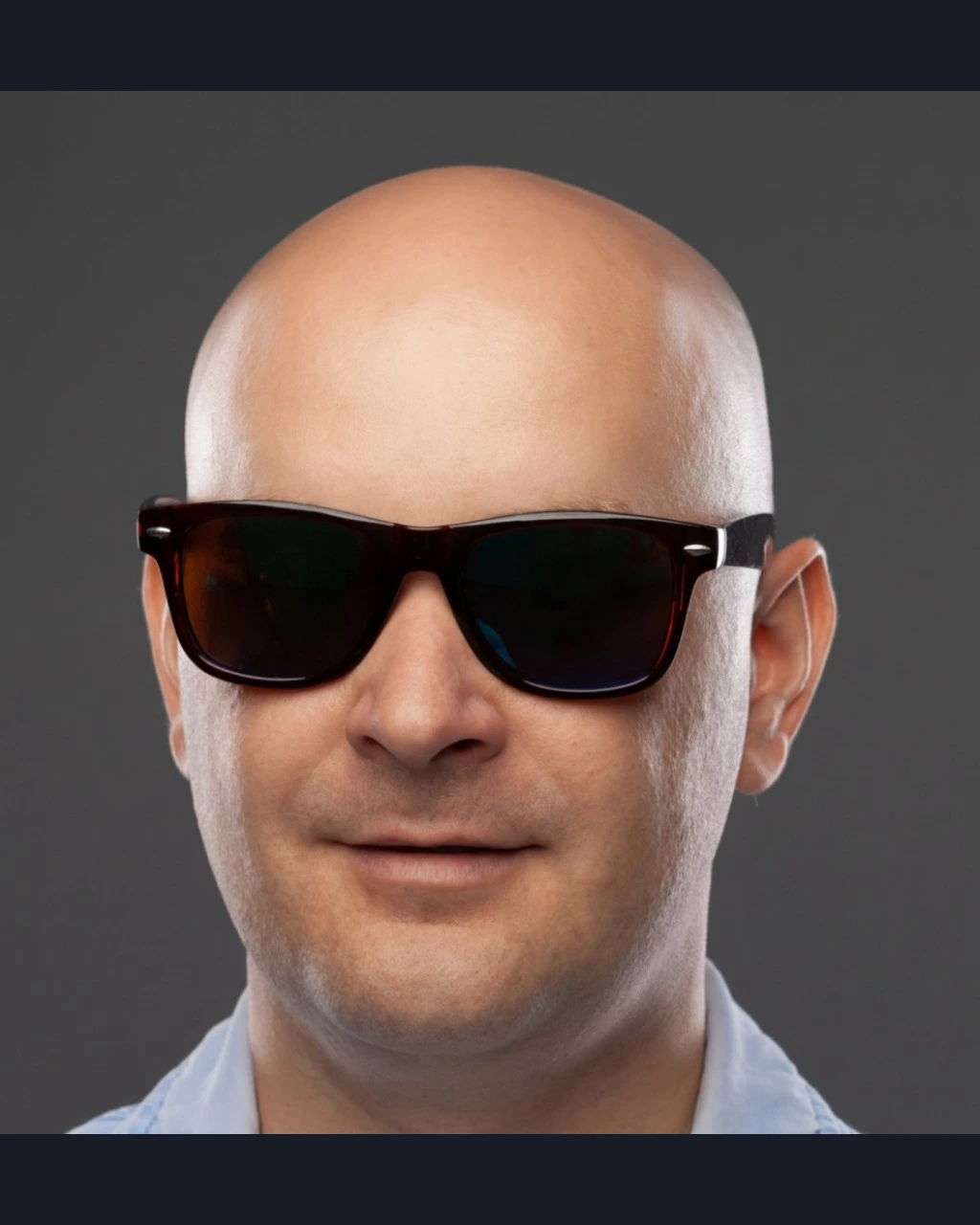
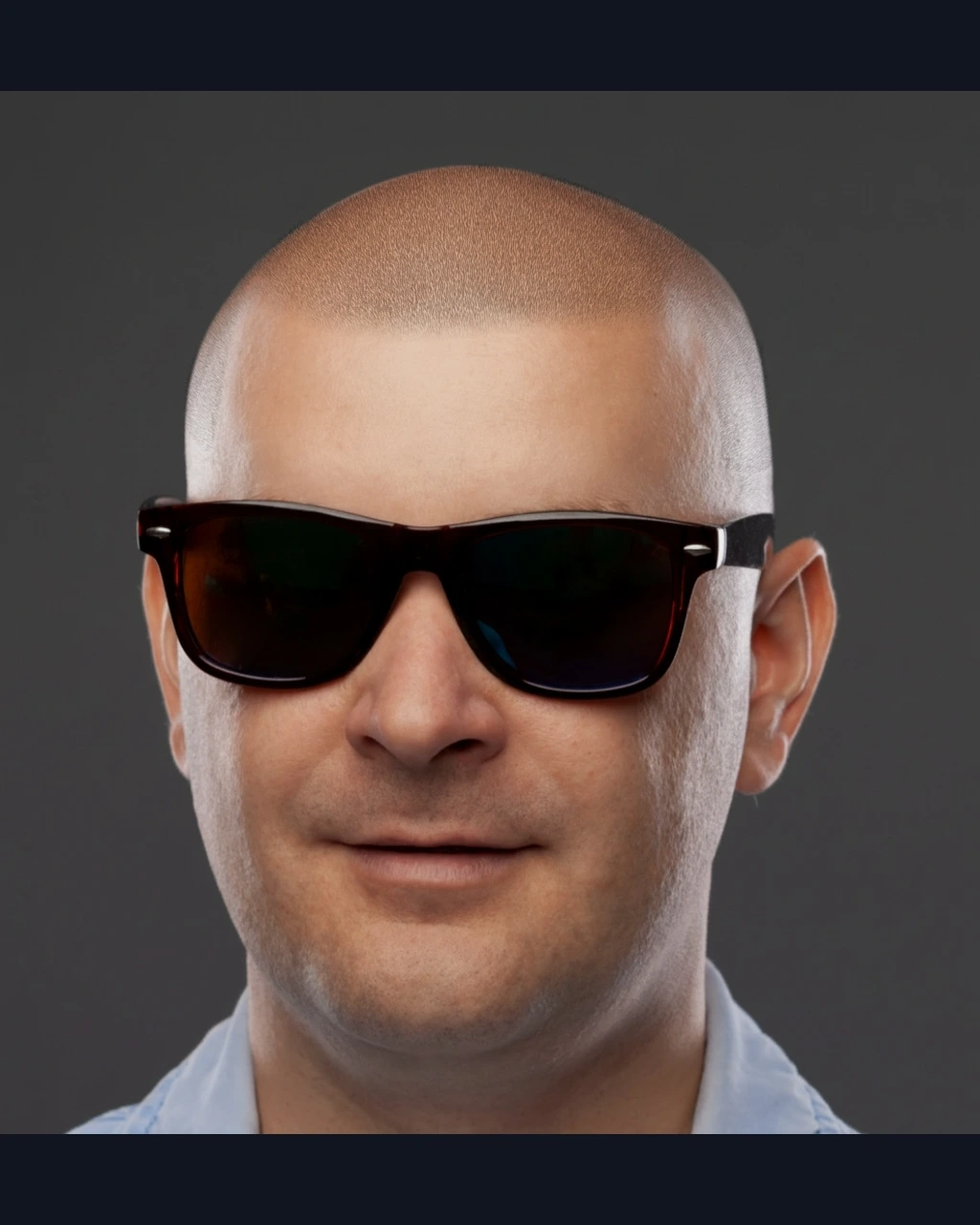
Drag the slider to see an actual SMP mockup transformation
👇🏼 Actual mockup created with the simulator, not a filter
SMP Simulator
Visualize Your Results Instantly
Start with a realistic SMP mockup to see your potential results. Then connect with trusted artists for your consultation.
Hairline Mockup Simulator
for 3 photorealistic mockups
Less than one tube of hair fiber powder
- ✓See your new hairline in 30 seconds
- ✓3 photorealistic HD mockups (save + download)
- ✓Drag-to-design hairline shaping tool
- ✓Built-in hair removal tool for a clean preview
- ✓Before & after sliders with shareable link
- ✓30-day access to the Mockup Studio
- ✓Free match with a vetted local SMP artist
No subscription. One-time payment.