
SMP Density Guide
Density is the single most important factor in how natural your scalp micropigmentation looks. Too little and the treatment appears sparse. Too much and it looks artificial. Understanding density levels helps you communicate your goals and get the best possible result.
What Is SMP Density?
SMP density describes how many pigment dots an artist places per square centimetre of scalp. Each dot replicates the appearance of a single hair follicle when viewed from a normal distance. The closer together these dots are, the "denser" the treatment appears—and the more it mimics thick, full hair.
Density isn't just about quantity. It also involves variation in dot size, depth, and colour. Natural hair doesn't grow in perfectly uniform rows—some follicles are closer together, some sit at different angles, and hair colour varies slightly even on the same scalp. A skilled SMP artist replicates all of these subtleties to create a convincing, three-dimensional look.
The right density depends on your existing hair, the treatment area, and your aesthetic goal. Someone adding density to thinning hair needs a different approach than someone creating a full hairline tattoo on a shaved scalp.
Density Levels Explained: Low, Medium, and High
Low Density
Low density uses wider spacing between dots and is ideal for blending with existing hair in areas of mild thinning. It creates a subtle enhancement—viewers notice your hair looks fuller without being able to pinpoint why. Low density is common for the crown area and along part lines where the scalp is slightly visible.
Medium Density
Medium density is the most requested level. It provides noticeable coverage while maintaining a natural appearance. Artists use this level for moderate thinning, receding temples, and to create a realistic transition zone along the hairline. Medium density works particularly well for clients who keep their hair at a short buzz-cut length.
High Density
High density places dots very close together and is used for areas of complete baldness where maximum coverage is needed. The front hairline, for example, often requires high density to look convincing. However, high density requires the most skill—the risk of an "ink blob" look increases if dots are placed too close without adequate size variation.
Who Needs Low, Medium, or High Density?
Your ideal density level depends on several factors:
- Diffuse thinning with existing hair — Low to medium density. The goal is to fill gaps without overwhelming your natural follicles. Your existing hair provides some coverage already.
- Receding hairline with hair on top — Medium to high density at the hairline, tapering to lower density further back where natural hair is still present. This gradient creates a seamless blend.
- Norwood 5–7 (significant baldness) — High density across the front and crown, medium on the sides and back to match the natural density of remaining hair.
- Scar or bald spot coverage — High density directly on the scar tissue, with gradual tapering into surrounding areas. Scar tissue absorbs pigment differently, so multiple sessions are often needed.
- Full shaved-head look — Medium-high density throughout, with careful attention to creating natural-looking density gradients from the hairline to the crown and temples.
How Artists Create and Control Density
Creating realistic density requires specific techniques that go beyond simply placing more dots. Experienced SMP artists control density through several variables:
- Needle size — Smaller needles create finer dots for subtle density; larger needles produce bolder impressions for high-coverage areas
- Pigment dilution — Artists mix pigment concentrations to create lighter or darker impressions, adding depth and dimension
- Layering across sessions — Building density over 2–3 sessions prevents over-saturation and allows for adjustments based on how your skin heals
- Randomised placement — Avoiding grid-like patterns by varying the spacing between dots in an organic, irregular pattern
- Pressure variation — Adjusting needle depth to create dots of varying prominence, mimicking the way some follicles sit deeper than others
The multi-session approach is particularly important. After the first session, pigment settles and lightens as the skin heals. The artist evaluates this before adding more density in the second session. This prevents the most common density mistake: making the treatment too dark or too heavy on the first pass.
Density vs a Natural Look
The biggest misconception about SMP density is that more is always better. In reality, the most natural-looking results come from strategic density variation—not uniform coverage. Your natural hair doesn't grow at even density across your entire scalp, and your SMP shouldn't either.
A natural scalp has higher density along the front hairline, moderate density on the top and crown, and slightly lower density at the temples and along the edges. Good SMP replicates this gradient. When density is uniform everywhere, the eye detects something "off" even if the viewer can't articulate what it is.
Want to see how different density levels would look on you before committing? Our simulator lets you preview SMP on your own photo — experiment with different looks and find the right balance of density for your face shape and hair loss pattern.
What to Expect After Treatment
Immediately after an SMP session, density will appear darker and more prominent than the final result. This is normal. Over the next 5–7 days, the pigment oxidises and settles into the skin, typically lightening by 20–40%. The true density is visible approximately 10 days after each session.
Between sessions, your artist will assess how the density settled and plan adjustments. Some areas may need additional dots; others may have absorbed pigment more readily and need less work. This iterative process is what separates excellent SMP from average results.
Long-term, SMP density fades gradually over 3–5 years. The treatment doesn't disappear suddenly—it lightens evenly, maintaining a natural appearance throughout the fading process. A single touch-up session can restore full density when needed. Learn more about SMP costs including touch-up pricing.
"The best SMP density work is invisible — when someone looks at your head and simply thinks you have a full head of closely-shaved hair, that's when density has been executed perfectly."
Looking for specialists? See our guides for SMP in Miami, SMP in Los Angeles, or SMP in New York.
Frequently Asked Questions
What does SMP density mean?
SMP density refers to how closely spaced the pigment dots are placed on the scalp during scalp micropigmentation. Higher density means more dots per square centimetre, creating the appearance of thicker hair coverage. Artists adjust density based on your existing hair, skin tone, and the level of fullness you want to achieve.
Can SMP look too dense or unnatural?
Yes, if density is applied incorrectly. Overly dense SMP—especially with uniform dot spacing—can look flat or artificial. Skilled artists vary dot size, spacing, and depth to mimic the natural randomness of real hair follicles. This is why choosing an experienced practitioner is critical for realistic results.
How many sessions does it take to build up density?
Most SMP treatments require 2–3 sessions spaced 7–14 days apart. The first session establishes the framework and lighter density. Subsequent sessions add depth, refine dot placement, and build density gradually. This layered approach prevents over-saturation and produces the most natural outcome.
Does SMP density fade over time?
SMP pigment lightens gradually over 3–5 years due to UV exposure, skin cell turnover, and immune response. As density fades, the treatment looks progressively lighter rather than patchy. A single touch-up session every 4–6 years can restore the original density and keep results looking fresh.
Can I increase SMP density after my initial treatment?
Yes. If you feel your initial SMP is too subtle, your artist can add more density in a follow-up session. It's easier to add density than to remove it, which is why most artists start conservatively and build up based on your feedback between sessions.
Does skin type affect how SMP density looks?
Skin type plays a significant role. Oily skin can cause dots to spread slightly, which may require adjusted spacing. Dry or thicker skin tends to hold pigment more precisely. Darker skin tones may need different pigment formulations to achieve visible density without appearing ashy or grey.
Is SMP density different for thinning hair vs a fully shaved head?
Yes. For thinning hair, SMP fills gaps between existing follicles—so density is calibrated to match and blend with your remaining hair. For a fully shaved look, the artist creates an entire follicle pattern from scratch, requiring careful attention to density gradients from the hairline to the crown.
Find SMP Density Experts Near You
Connect with skilled SMP artists who specialise in creating natural-looking density for every hair loss pattern.
Ready to See Your Hairline Again?
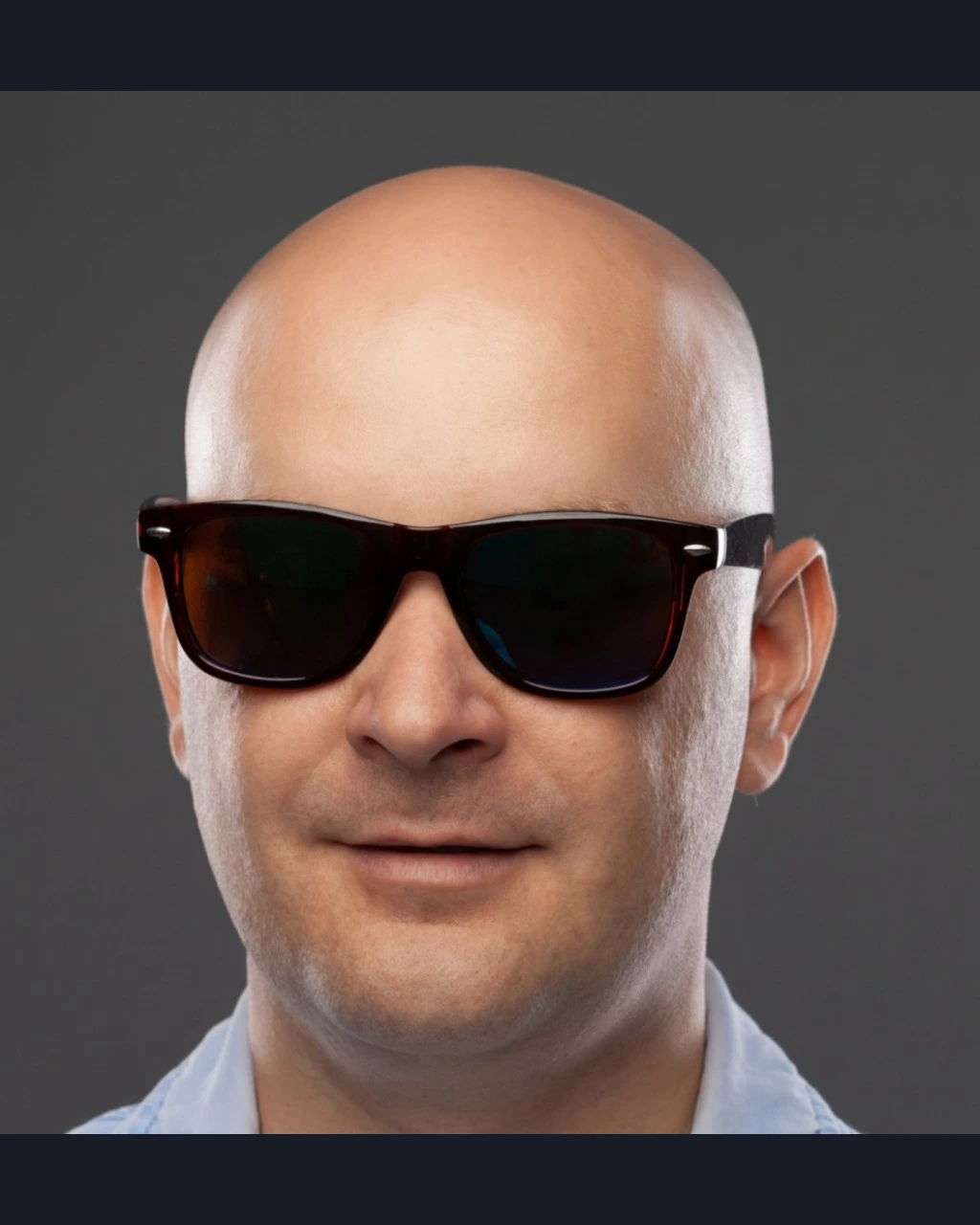
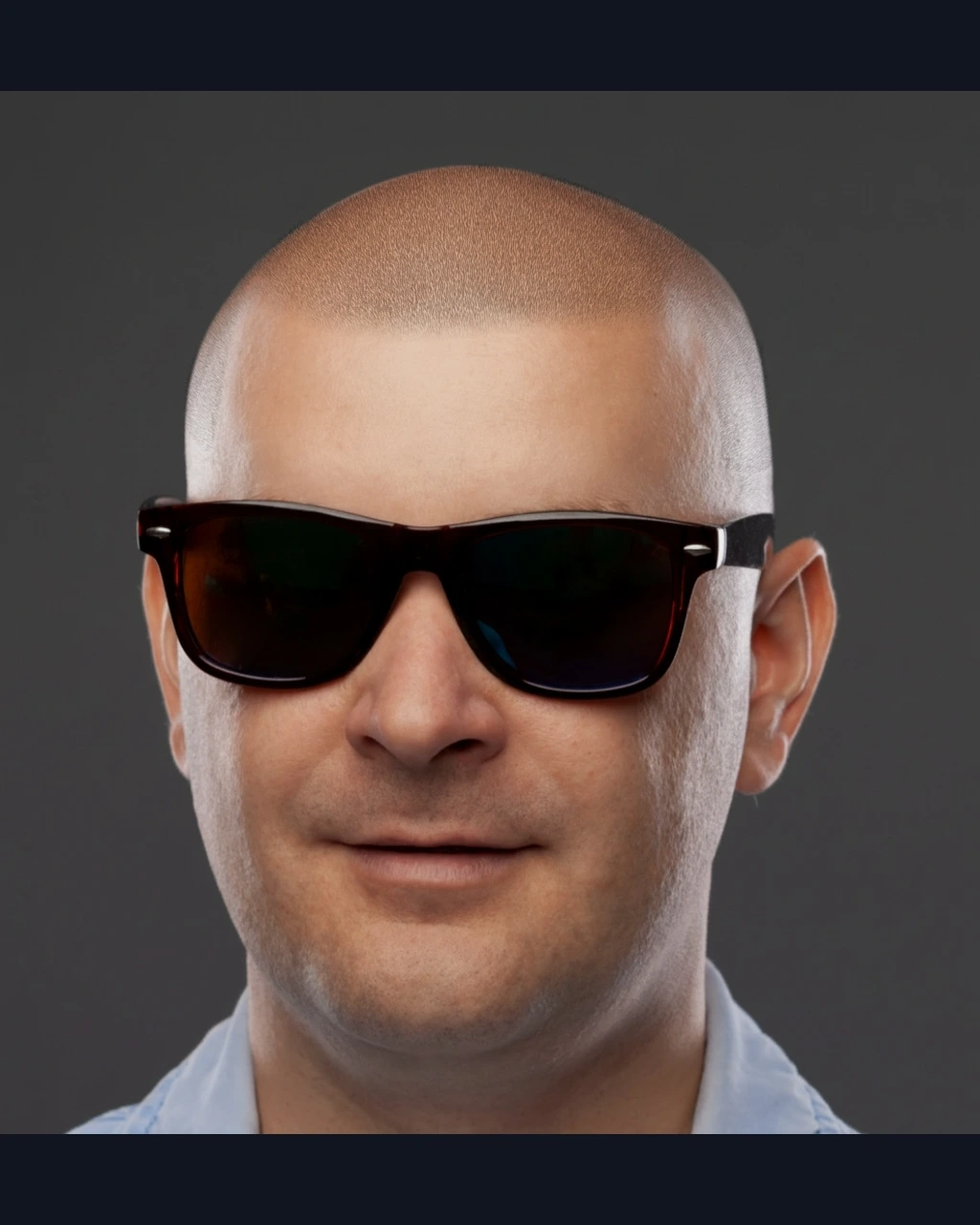
Drag the slider to see an actual SMP mockup transformation
👇🏼 Actual mockup created with the simulator, not a filter
SMP Simulator
Visualize Your Results Instantly
Start with a realistic SMP mockup to see your potential results. Then connect with trusted artists for your consultation.
Hairline Mockup Simulator
for 3 photorealistic mockups
Less than one tube of hair fiber powder
- ✓See your new hairline in 30 seconds
- ✓3 photorealistic HD mockups (save + download)
- ✓Drag-to-design hairline shaping tool
- ✓Built-in hair removal tool for a clean preview
- ✓Before & after sliders with shareable link
- ✓30-day access to the Mockup Studio
- ✓Free match with a vetted local SMP artist
No subscription. One-time payment.